
Welcome to the wild and wacky world of fat loss, where the only thing heavier than your weight is the weight of all the myths surrounding it! Forget everything you thought you knew about dieting; we’re diving into the juicy details of macronutrients, meal timings, and the rollercoaster of popular diets. Whether you’re here to whip your body into shape or simply want to know why your salad isn’t helping, we’ve got the answers—sprinkled with a dash of humor!
From understanding how carbs, fats, and proteins play a game of tug-of-war in your body to exploring the timing of your meals like they’re the next big Netflix series, we’ll navigate the labyrinth of fat loss strategies. Plus, we’ll unpack the psychological baggage that might be holding you back and serve up a delightful weekly meal plan that even your taste buds will applaud.
Health and Nutrition
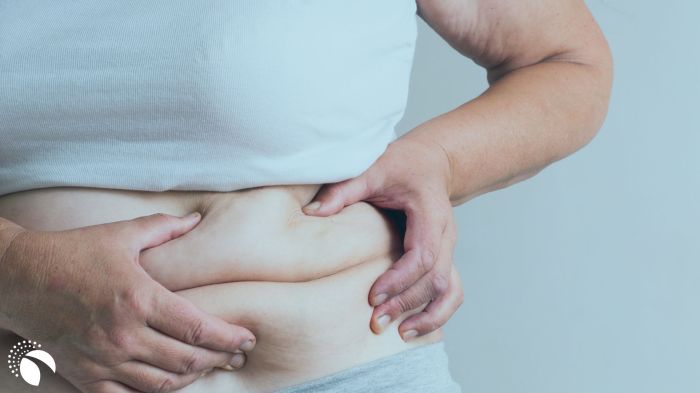
Understanding the intricate dance between health, nutrition, and fat loss is like trying to solve a Rubik’s Cube while on a treadmill. It’s a challenge, but when you nail it, the rewards are nothing short of dazzling! Let’s dive into the world of macronutrients, meal timing, and various dietary approaches, all in a quest to shed those pesky extra pounds.
Role of Macronutrients in Fat Loss
Macronutrients are the triumvirate of nutrition: carbohydrates, proteins, and fats. Think of them as the three amigos that either help you on your quest to lose fat or throw a piñata of junk food into your plans. The balance you strike among these nutrients can change the game entirely. Proteins are the construction workers of your body, repairing and building muscles, which in turn rev up your metabolism.
Increasing protein intake can help you feel fuller for longer, making it harder to snack mindlessly on those tempting potato chips.
- Fats, often misunderstood, are essential for hormone production and keeping your body running smoothly. Healthy fats, like those found in avocados and nuts, can actually help you feel satisfied and curb cravings.
- Carbohydrates are the energy dynamo, fueling your workouts and daily activities. However, the type of carbs matters—whole grains and fiber-rich fruits are your allies, while refined sugars can lead you astray faster than a cat chasing a laser pointer.
“Balance is key; your plate should look like a well-coordinated dance party of macronutrients.”
Importance of Meal Timing for Effective Fat Loss
Meal timing can be as crucial as the opening act of a rock concert; if it’s off, the main event might fall flat. Eating at the right times can help optimize your metabolism and keep hunger monsters at bay.Consuming a high-protein breakfast can kickstart your metabolism. Think of it as giving your body a high-five to wake it up.
- Spacing out your meals through the day can prevent that hangry sensation, which can lead to poor food choices. Consider enjoying smaller, more frequent meals to keep your energy levels steady.
- Implementing a post-workout meal rich in carbs and proteins can help replenish glycogen stores and repair muscles. Imagine a happy dance as your muscles rejoice with every burrito or smoothie you enjoy after a gym session!
“The right timing in your meal schedule can outscore any diet trend in the long run.”
Comparison of Different Dietary Approaches for Weight Loss
When it comes to dietary approaches, it’s a bounty of options, like a buffet where every dish has a different claim to fame. Here’s a look at some popular methods to help you determine which might suit your taste buds and goals.
Keto Diet
This is the low-carb superstar, encouraging your body to burn fat for fuel instead of carbs. While it can lead to rapid weight loss, the lack of carbs can leave some feeling like they’re walking through a fog.
Intermittent Fasting
Not just a new trendy phrase for skipping breakfast, this method focuses on the timing of eating. You eat during specific windows and fast during others, allowing your body the chance to burn fat efficiently. Think of it as giving your digestive system a break—much like a nap on a rainy day.
Mediterranean Diet
This approach is a culinary love letter, emphasizing whole foods, healthy fats, and lots of fruits and vegetables. Studies show it’s not just delicious but can be more sustainable in the long run. Who wouldn’t want to dine like royalty while shedding pounds?
“Choosing the right dietary approach can turn your fat loss journey from a slog to a stroll under the sun.”
Health and Obesity
Obesity isn’t just about what you see in the mirror; it’s a complex issue involving physical, emotional, and psychological factors. It’s like a stubborn house guest that overstays its welcome, bringing along a slew of metabolic disorders and a whole lot of psychological baggage. The good news? We can tackle it with a little humor and a lot of strategy!The psychological factors contributing to obesity often include emotional eating, stress, and societal pressures.
Many individuals may find solace in a tub of ice cream during a tough day, effectively turning food into a coping mechanism. This emotional connection to food can create a vicious cycle, where stress leads to overeating, and then guilt leads to more stress. Additionally, societal pressures about body image can lead to negative self-perception, pushing individuals further into unhealthy eating habits.
Psychological Factors Contributing to Obesity
Understanding the psychological landscape can illuminate why some have a harder time shedding those extra pounds. Here are key factors at play:
- Emotional Eating: Many turn to food for comfort during emotional distress, turning a bag of chips into a security blanket.
- Stress and Anxiety: Stress activates our hunger hormones; think of it as nature’s way of saying, “Why not munch on some fries during a crisis?”
- Body Image Issues: Unrealistic societal standards can lead to distorted self-images, making food a refuge from harsh judgments.
- Habitual Patterns: Long-established eating habits can be hard to break, like trying to teach an old dog new tricks—especially when that dog is in love with pizza.
The relationship between obesity and metabolic disorders is a critical one. Obesity increases the risk of developing several metabolic conditions, such as type 2 diabetes, cardiovascular diseases, and even certain cancers. It’s like being stuck in a revolving door, where each spin brings you closer to a new health issue. When the body’s metabolism is compromised by excess fat, it can lead to insulin resistance, elevated blood sugar levels, and increased cholesterol—all of which are like party crashers at the health ball.
Relationship Between Obesity and Metabolic Disorders
The link between obesity and metabolic disorders is significant, and understanding this connection is vital for effective intervention. Here are the key interactions:
- Insulin Resistance: Extra fat, especially around the abdomen, can interfere with insulin’s ability to regulate blood sugar, leading to type 2 diabetes—a condition that loves to stick around.
- Inflammation: Fat tissues can secrete inflammatory markers, making the body a less-than-hospitable place for good health.
- Heart Health: Carrying excess weight can lead to high blood pressure and elevated cholesterol, paving the way for heart disease to take center stage.
- Hormonal Imbalances: Obesity can disrupt hormonal balance, affecting everything from metabolism to mood—exhibit A: the mysterious craving for chocolate cake at 3 AM.
Overcoming barriers to fat loss in obese individuals requires a multi-faceted approach, as one size does not fit all. Strategies should focus on both physical and psychological aspects, ensuring that individuals feel supported every step of the way.
Strategies for Overcoming Barriers to Fat Loss
There are plenty of strategies to help individuals navigate their weight loss journey effectively. Here are some key tactics:
- Mindful Eating: Encourage individuals to savor their food and pay attention to hunger signals, turning meals into a mindful experience rather than a fast-food dash.
- Support Networks: Engaging with community support groups and professionals can provide the encouragement needed—a few cheerleaders can make a world of difference!
- Behavioral Therapy: Addressing the root causes of eating habits through cognitive behavioral therapy can help individuals reshape their relationship with food.
- Personalized Nutrition Plans: Tailoring diets to meet individual needs and preferences can make the transition smoother—after all, nobody wants to lose weight on a diet of boiled kale alone!
“Weight loss is like a relationship; it requires dedication, patience, and the occasional cheat day!”
Popular Diets
When it comes to shedding those stubborn pounds, popular diets can be as varied as the toppings on a pizza – and we all know that toppings can get a little out of hand! From the high-fat world of keto to the plant-based marvels of veganism, there’s a smorgasbord of options to choose from. But which diets are more effective for fat loss?
Let’s dive into the delicious (and sometimes confusing) world of trendy diets without the carbs weighing us down.
Keto Diet Weekly Meal Plan
The ketogenic diet focuses on high fat, moderate protein, and very low carbohydrates, forcing the body to burn fat for fuel through a process called ketosis. Here’s a deliciously low-carb weekly meal plan to help you get started on your fat loss journey:
| Day | Breakfast | Lunch | Dinner |
|---|---|---|---|
| Monday | Scrambled eggs with avocado | Grilled chicken salad with olive oil dressing | Salmon with asparagus and lemon butter |
| Tuesday | Chia seed pudding with coconut milk | Zucchini noodles with pesto and shrimp | Beef stir-fry with broccoli |
| Wednesday | Keto pancakes topped with berries | Egg salad lettuce wraps | Roasted chicken thighs with Brussels sprouts |
| Thursday | Bulletproof coffee | Tuna salad stuffed avocados | Pork chops with cauliflower mash |
| Friday | Greek yogurt with nuts and seeds | Spinach salad with bacon and feta | Stuffed bell peppers with ground turkey |
| Saturday | Omelet with cheese and spinach | Caprese salad with basil oil | Grilled lamb with ratatouille |
| Sunday | Breakfast casserole with sausage and cheese | Chicken Caesar salad (no croutons) | Eggplant lasagna |
Intermittent Fasting Principles and Effects on Fat Loss
Intermittent fasting (IF) doesn’t dictate what you eat but rather when you eat. This method alternates between periods of eating and fasting, allowing your body to shift from burning glucose for energy to utilizing fat stores. Common patterns include the 16/8 method, where you fast for 16 hours and eat during an 8-hour window.
Intermittent fasting can boost fat loss while allowing you to enjoy your meals without counting every calorie.
The effects on fat loss are profound; studies have shown that IF can lead to a reduction in body fat and an increase in metabolic health. It may also enhance hormone function, promote cellular repair, and even improve brain function. A breakfast lover’s nightmare, perhaps, but a fat loss dream come true!
Pros and Cons of Popular Diets
Diving into popular diets such as Paleo, Vegan, and Mediterranean can be enlightening, but it’s essential to consider both sides of the dietary coin. Each diet has its unique benefits and drawbacks regarding fat loss.
- Paleo Diet
- Pros: Focuses on whole foods, promotes better blood sugar control.
- Cons: Excludes grains and dairy, which may not suit everyone’s lifestyle.
- Vegan Diet
- Pros: Rich in fruits and vegetables, often lower in calories and fats.
- Cons: Potential nutrient deficiencies (like B12) if not well-planned.
- Mediterranean Diet
- Pros: Emphasizes healthy fats, fruits, and veggies, associated with heart health.
- Cons: May involve higher calorie intake due to more liberal fat consumption.
Each diet comes with its own flavor profile and potential challenges, making it essential to choose one that aligns with your lifestyle and fat loss goals. Bon appétit on your journey to a leaner you!
Conclusive Thoughts
And there you have it, folks! Fat loss is more than just a number on the scale; it’s a fantastical journey filled with twists, turns, and perhaps a few kale chips along the way. By embracing the right nutrition, understanding the complexities of obesity, and experimenting with trendy diets, you’re not just shedding pounds, you’re gaining knowledge. So go forth, armed with your newfound wisdom, and conquer the world of fat loss one delicious meal at a time!
FAQ Summary
What are macronutrients and why do they matter?
Macronutrients are the three main components of our diet: carbohydrates, proteins, and fats. They provide the energy our bodies need, and understanding their balance is crucial for effective fat loss!
Does meal timing really affect fat loss?
Absolutely! When you eat can be just as important as what you eat. Timing your meals can help regulate your metabolism and keep those hunger pangs at bay.
Are all diets equally effective for fat loss?
Nope! Different diets work for different people. Factors like preferences, lifestyle, and health conditions play a huge role in finding the right fit for you.
Can psychological factors impact fat loss?
Is intermittent fasting safe?
For most people, yes! Intermittent fasting can be a safe and effective way to manage weight, but it’s important to consult a healthcare provider if you have underlying health conditions.


