
Welcome to the whimsical world of Obesity prevention, where broccoli reigns supreme, and donuts are merely a distant memory! If you’ve ever wondered how to dodge the heavyweight title of “Champ of the Couch,” grab a snack (preferably a carrot stick) and join us as we explore the delightful dance of health, nutrition, and a sprinkle of humor.
In this engaging journey, we’ll unveil the mysteries behind balanced diets, the psychological juggernauts that contribute to obesity, and even a showdown between popular diets. Prepare to feast your eyes on enlightening statistics and mouthwatering meal plans that promise to keep you fit and fabulous!
Health and Nutrition
In the grand quest to keep those waistlines from expanding like an over-inflated balloon at a kid’s birthday party, balanced diets play the leading role. Imagine a world where your plate is a vibrant palette, filled with colors, flavors, and nutrients all dancing together in harmony. That’s the magical realm of balanced diets, where obesity prevention and health meet in a delightful tango.
Nutrition isn’t just about counting calories or obsessing over the dreaded scale; it’s about feeding your body the right fuel to keep it running smoothly, much like how a well-oiled machine operates. To harness the power of nutrition in the battle against those pesky extra pounds, it’s crucial to understand the role of macronutrients. Let’s dig a little deeper into how these nutritional building blocks can impact weight management.
Macronutrient Comparison for Weight Management
Understanding macronutrients is akin to deciphering the secret code to your body’s weight management system. Here’s a quick breakdown comparing carbohydrates, proteins, and fats — the Three Musketeers of nutrition.
| Macronutrient | Calories per Gram | Role in Weight Management |
|---|---|---|
| Carbohydrates | 4 | Provides energy; complex carbs help in satiety, while simple carbs can lead to spikes in hunger. |
| Proteins | 4 | Essential for muscle repair and growth; increases satiety and boosts metabolism. |
| Fats | 9 | Crucial for hormone production and nutrient absorption; healthy fats can satisfy hunger more effectively. |
In this macronutrient showdown, each player has its strengths, and understanding these can reshape your approach to nutrition. An important consideration is the caloric density of these nutrients; fats pack more calories per gram than their carbohydrate and protein counterparts, providing a perfect segue into evidence-based nutritional guidelines for weight loss.
Nutritional Guidelines for Weight Loss
When it comes to weight loss, steering your ship using evidence-based nutritional guidelines is key. These guidelines aren’t just recommendations—they’re the treasure map leading to your goal. Here’s a collection of guidelines that can help steer you in the right direction:
Aim for a balanced plate
Fill half your plate with fruits and vegetables, a quarter with lean proteins, and a quarter with whole grains. It’s like a party on your plate, but all the guests are healthy!
Stay hydrated
Water is your best friend. Staying well-hydrated can help curb unnecessary snacking and keep those cravings at bay. Think of it as an internal cleansing dance party!
Portion control
Keeping an eye on portion sizes can prevent the dreaded “just one more bite” syndrome. Use smaller plates—this is scientifically backed. You’ll feel like you’re eating a feast while actually consuming fewer calories.
Regular meal timings
Eating at regular intervals can help maintain consistent energy levels and prevent binge-eating later. Think of your meal schedule as a well-timed concert—too long between acts, and the crowd gets restless!
Limit added sugars and processed foods
These sneaky culprits can increase caloric intake without providing nutritional value. Imagine them as the party crashers—no one invited them, but they always seem to show up unannounced!
“Nutrition is not just about what you eat; it’s about creating a lifestyle that supports your health goals.”
Following these guidelines can turn your dietary choices into a powerful weapon against obesity, all while keeping your taste buds happy and your stomach satisfied. It’s about making informed choices, enjoying your meals, and transforming those culinary adventures into a sustainable lifestyle!
Health and Obesity
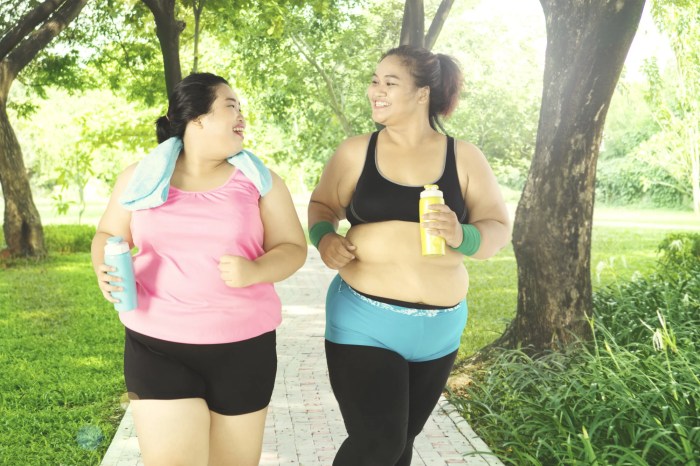
The connection between health and obesity is a convoluted dance that involves not just the body but also the mind. While we might think of obesity as a physical issue, it often comes bundled with psychological factors that can be as heavy as a hefty cheeseburger. Understanding these factors is key to tackling the rising tide of obesity, particularly in our most impressionable population: children.Psychological factors play a significant role in obesity, often leading individuals to find solace in food rather than healthy coping mechanisms.
Emotional eating, driven by stress, anxiety, or depression, can turn a carrot into a mere decoration while chips take center stage. Moreover, societal influences, including media portrayals of body image and peer pressure, can exacerbate feelings of inadequacy, leading to further unhealthy eating patterns. It’s akin to watching a cooking show and deciding the only way to cope with your feelings is by binging on a family-sized bag of nachos – not the most nutritious of choices!
Preventive Strategies for Childhood Obesity in Communities
Preventive strategies for childhood obesity are vital for fostering healthier future generations. Communities must engage in comprehensive approaches to encourage active lifestyles among children. Some effective strategies include:
- Community Education Programs: These initiatives can enlighten families about nutrition and the importance of physical activity. Imagine a local superhero—Nutrition Man—teaching kids to choose fruits over candy in a fun, engaging manner!
- Access to Healthy Foods: Establishing more farmers’ markets and community gardens can provide fresh produce at affordable prices, turning the neighborhood into a ‘veggie wonderland’ instead of a fast-food desert.
- School-Based Initiatives: Implementing wellness programs, such as cooking classes and regular physical activity breaks, transforms schools into champions of health, making veggies the cool kids in class.
- Active Play Zones: Creating safe, accessible play areas encourages children to engage in physical activities rather than becoming couch potatoes glued to screens. Think of it as building a kingdom of fun!
Statistics show that childhood obesity rates have tripled in the past 30 years, with a staggering 1 in 5 school-aged children classified as obese. According to the CDC, the prevalence of obesity was 19.7% among children and adolescents in 2017-2018. This data correlates strongly with lifestyle choices, as children who are sedentary and consume high-calorie diets are at a greater risk of becoming obese.
The cycle continues, as overweight children often become overweight adults.
“The only thing heavier than an empty plate at a buffet is the emotional baggage we carry when we choose not to eat healthily.”
Popular Diets
When it comes to the battle against obesity, the food world is bursting at the seams with trendy diets that promise to sculpt your waistline faster than you can say “kale chips.” Each diet comes with its own set of rules, foods you can hug and foods you must shun like an ex who won’t stop texting. Let’s dig into the frosty world of popular diets and see how they stack up in preventing the bulge!Various popular diets bring unique philosophies to the table—some banish carbs like they’re the culinary devil, while others embrace fats as a friend.
Understanding these diets better can help you choose a path to weight management that fits your lifestyle and keeps those pesky pounds at bay.
Comparison of Popular Diets
Each diet has its merits and peculiarities, making it essential to know what you can munch on and what you must avoid. Here’s a rundown of some popular diets, their effectiveness, and what’s on the menu (or not):
- Keto Diet: This low-carb, high-fat diet claims to turn your body into a fat-burning machine by inducing ketosis.
- Allowed Foods: Avocados, cheese, eggs, nuts, and fatty fish.
- Prohibited Foods: Bread, pasta, sugar, and most fruits.
- Paleo Diet: Eating like a caveman is the motto here, focusing on whole foods while avoiding processed items.
- Allowed Foods: Meat, fish, fruits, vegetables, nuts, and seeds.
- Prohibited Foods: Grains, legumes, dairy, and processed foods.
- Intermittent Fasting: Rather than focusing on what you eat, this diet focuses on when you eat, cycling between eating and fasting periods.
- Allowed Foods: Anything you love during eating windows—just remember moderation!
- Prohibited Foods: Nothing specific—just avoid bingeing during eating times!
- Weight Watchers (WW): A points-based system that encourages healthy eating habits without strict food restrictions.
- Allowed Foods: Mostly everything, with a focus on whole foods and portion control.
- Prohibited Foods: None, but high-point foods should be enjoyed sparingly.
- DASH Diet: Originally developed to fight hypertension, this diet promotes heart health with a focus on whole grains, fruits, and vegetables.
- Allowed Foods: Fruits, vegetables, lean proteins, and low-fat dairy.
- Prohibited Foods: High-sugar snacks, saturated fats, and excessive sodium.
Meal Planning Strategies for Weight Management
Navigating the diet landscape is like playing chess, where careful meal planning can checkmate those extra calories. Here are some playful strategies to keep you on track with various diets:
- Keto Meal Plan: Start your day with avocado toast (on a keto-friendly bread), enjoy a spinach salad with grilled chicken for lunch, and wrap it up with a salmon dish for dinner, all drowned in creamy sauces. Just remember, no bread!
- Paleo Meal Plan: Breakfast could include scrambled eggs with wild mushrooms, while lunch might feature a hearty beef stir-fry with fresh veggies. Dinner—a grilled chicken breast paired with sweet potatoes—will have you feeling like the evolution of man is complete!
- Intermittent Fasting Meal Plan: During your eating window, ensure you pack your meals with nutrient power. Kick off with a smoothie packed with greens, have a quinoa salad for lunch, and treat yourself to a stir-fried veggie and tofu combo for dinner. Just don’t forget to hydrate like a cactus during fasting!
- Weight Watchers Meal Plan: Keep it simple with a breakfast of oatmeal topped with berries, a lean turkey sandwich for lunch, and a savory stir-fry for dinner. Remember to keep track of those points—you want to stay within budget!
- DASH Meal Plan: Eat a breakfast of Greek yogurt with fruit, a lunch of mixed greens with chickpeas, and a dinner featuring grilled fish with steamed broccoli, all while keeping an eye on that salt shaker!
“Meal planning is like a treasure map for a fitness journey—follow the clues, and you’ll reach your goal!”
With these insights into popular diets and meal strategies, you’re well-equipped to navigate your way to a healthier lifestyle. Just remember, in the world of dieting, laughter and a good meal plan go hand in hand!
Wrap-Up
As we wrap up this enlightening escapade, remember that obesity prevention doesn’t have to be a grim slog through a field of kale; it can be a vibrant journey filled with tasty choices and clever strategies! So, whether you’re planning a community initiative to keep kiddos active or just trying to figure out if carbs are your friend or foe, keep this guide close by.
Here’s to a healthier, happier you—now go conquer those veggies!
Key Questions Answered
What are some simple ways to prevent obesity?
Incorporating regular physical activity, practicing mindful eating, and maintaining a balanced diet are key. Remember, it’s all about moderation and moving your body!
Can drinking water help in preventing obesity?
Absolutely! Staying hydrated can help control hunger and boost metabolism—plus, it’s way more refreshing than soda!
How can I encourage children to adopt healthier habits?
Lead by example! Get involved in fun physical activities together, and make healthy eating a family affair by preparing meals as a team.
Are all diets effective for weight management?
Nope! What works for one person might not work for another. The best diet is one that fits your lifestyle and includes foods you enjoy.
How important is sleep in preventing obesity?
Sleep is crucial! A good night’s rest helps regulate hormones that control appetite and cravings, so hit that snooze button guilt-free!


