
Welcome to the world of Gym personal training, where sweat is currency and gains are the ultimate treasure! Ever wondered how those ripped folks got their six-pack abs? Spoiler alert: it’s not just the protein shakes and magic mirror. With the right mix of nutrition, injury prevention, and personalized diet plans, you too can transform into a fitness superhero. So, grab your sweatbands and let’s dive into the deliciously sweaty details!
In this journey, we’ll explore how nutrition fuels your workouts, the ins and outs of pain management, and how to navigate through the diet jungle to find what works best for you. Whether you’re looking to shed some pounds or bulk up like a bodybuilder, we’ve got the scoop that’ll keep you on track and laughing all the way to the gym.
Health and Nutrition
In the world of personal training, nutrition is often considered the unsung hero. While you’re pumping iron and sweating it out at the gym, your food choices are the backstage crew making sure the show goes on without a hitch. Proper nutrition is crucial for reaching your fitness goals, whether you’re trying to shed a few pounds, bulk up, or maintain your current physique.
It’s like having a GPS for your fitness journey—ensure you’re fueled right, and you won’t take any wrong turns!Nutrition plays a pivotal role in personal training, directly impacting energy levels, recovery, and overall performance. A well-rounded diet ensures that your body gets the essential nutrients it needs to repair muscles after grueling workouts and sustain energy levels for ongoing training sessions.
Think of macronutrients—carbohydrates, proteins, and fats—as the main characters in this epic saga, while micronutrients (vitamins and minerals) serve as the supporting cast that keeps everything running smoothly. Neglecting nutrition could lead to fatigue, injuries, and those dreaded plateaus.
Macronutrients and Micronutrients
Understanding macronutrients and micronutrients is fundamental for anyone looking to fine-tune their diet for optimal performance. Each macronutrient has a specific role in your body, contributing to your fitness goals in unique ways.
- Carbohydrates: The primary fuel source, essential for high-energy workouts. Think of them as the gasoline that drives your muscles during intense exercise.
- Proteins: The building blocks of muscle. They help repair and build muscle tissues after workouts, making them crucial for anyone looking to gain muscle mass.
- Fats: Often misunderstood, healthy fats are vital for hormone production and overall health. They also provide a concentrated energy source for longer, lower-intensity workouts.
Micronutrients, though needed in smaller amounts, are just as vital. They support various bodily functions, including immune response and metabolism. Ensuring you get enough vitamins and minerals can enhance recovery, improve energy, and even boost mood. Don’t skip the greens!
Sample Meal Plans for Different Fitness Goals
Creating a meal plan tailored to your fitness goals can make a significant difference in your results. Here are three sample meal plans for different objectives: weight loss, muscle gain, and maintenance.
Weight Loss Meal Plan
For weight loss, the focus is on creating a calorie deficit while ensuring nutritional balance. Here’s a sample plan:
| Meal | Food |
|---|---|
| Breakfast | Oatmeal topped with berries and a sprinkle of cinnamon |
| Lunch | Grilled chicken salad with mixed greens, cherry tomatoes, and a vinaigrette |
| Dinner | Baked salmon with steamed broccoli and quinoa |
| Snacks | Greek yogurt with a bit of honey and some almonds |
Muscle Gain Meal Plan
To build muscle, a calorie surplus with plenty of protein is essential. Here’s what a day might look like:
| Meal | Food |
|---|---|
| Breakfast | Scrambled eggs with spinach and whole-grain toast |
| Lunch | Turkey and avocado wrap with a side of sweet potato fries |
| Dinner | Beef stir-fry with assorted vegetables and brown rice |
| Snacks | Protein shake with a banana and peanut butter |
Maintenance Meal Plan
For those aiming to maintain their weight, it’s all about balance. Here’s a sample plan:
| Meal | Food |
|---|---|
| Breakfast | Greek yogurt with granola and mixed fruits |
| Lunch | Quinoa bowl with black beans, corn, and salsa |
| Dinner | Grilled shrimp tacos with cabbage slaw and avocado |
| Snacks | Carrot sticks with hummus |
“You can’t out-exercise a bad diet.”
A wise person who probably had a donut in hand.
Pain Management
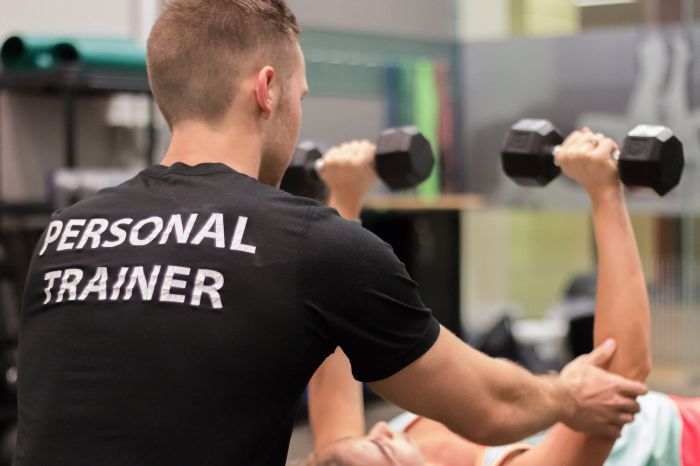
When embarking on a personal training journey, one must tread carefully through the land of sweat and sore muscles, where the glorious gains are often accompanied by the unsavory companion of pain. Understanding how to manage this pain and prevent injuries can mean the difference between a triumphant comeback and a tragic tale of woe. Here, we delve into some common injuries that lurk in the shadows of the gym and explore the art of pain management with a sprinkle of humor and wisdom.
Common Injuries and Pain Management Strategies
In the thrilling world of personal training, injuries can be a bit of a party crasher. From sprained ankles to strained muscles, these are the uninvited guests that often show up when we least expect it. Managing pain effectively can turn this unwelcome visit into a manageable affair.
- Muscle Strains: Often dubbed the “classic boo-boo,” muscle strains occur when muscles are pushed beyond their limits. Managing this pain involves rest, ice, compression, and elevation – also known as RICE – and perhaps a sprinkle of comforting ice cream to soothe the soul.
- Joint Pain: Common in those who push their limits (and sometimes their luck), joint pain is usually a sign that the body is waving a tiny white flag. Anti-inflammatory medications and physical therapy can help, but don’t forget to listen to your body before it decides to stage a mutiny.
- Tendonitis: This is like your body’s way of saying, “Hey, remember that time you thought you were invincible?” Managing tendonitis requires rest and possibly some gentle stretching. Just be sure to keep that ice pack handy; it’s your new best friend.
“The only thing that should be sore after a workout is your sense of humor!”
Strategies for Injury Prevention
Prevention is the name of the game when it comes to personal training. Just like you wouldn’t jump into a pool without checking for water first, you shouldn’t dive into an intense workout without a plan to prevent injuries. Here are some strategies to keep you safe on your fitness quest:
- Warm-Up Properly: Think of warming up as your workout’s opening act. A proper warm-up increases blood flow and prepares your muscles and joints for the thrill ride ahead.
- Use Proper Form: Channel your inner yoga instructor and focus on your form. Incorrect techniques can lead to injuries faster than you can say “squat.”
- Know Your Limits: Just like you wouldn’t attempt to lift a car (unless you’re secretly Superman), know when to say “no” to weight that’s too heavy or workouts that are too intense.
- Cross-Train: Mix it up! Engaging in different types of workouts (like dancing, yoga, or even interpretative dance) can prevent overuse injuries and keep things fresh and fun.
Importance of Rest and Recovery
Ah, rest and recovery – the unsung heroes of pain management. In the hustle and bustle of personal training, the importance of allowing your body to recover is often overlooked. Rest days are not just an excuse to binge-watch your favorite series; they’re a crucial part of the training process.
- Muscle Recovery: The magic happens when you rest. Muscles need time to repair and grow stronger after a workout, so don’t be that overzealous gym-goer who thinks skipping rest days will earn you extra points.
- Preventing Burnout: Continuous training without adequate recovery can lead to physical and mental burnout. Remember, even the superheroes need a day off to recharge their superpowers.
- Improved Performance: Studies show that those who incorporate rest into their training see improved performance and reduced injury rates. So go ahead, take that rest day – your future self will thank you.
“Without rest, muscles are just tired friends who need a nap.”
Popular Diets
When it comes to selecting a diet, choosing the right one can feel like a game of roulette—will you hit the jackpot or end up with a sad, soggy salad? With the explosion of diet trends, personal trainers are often the guiding lights in this culinary labyrinth. Here, we’ll compare the Keto, Paleo, and Mediterranean diets, exploring their potential for those embarking on a fitness journey, while sprinkling in some humor and psychological insights to keep clients motivated.
Comparison of Popular Diets
Understanding the effectiveness of different diets can equip personal trainers to better guide their clients. Each diet comes with its own flavor profile and nutritional philosophy, making it essential to match a client’s fitness goals and lifestyle to the right plan.
| Diet | Description | Effectiveness for Training |
|---|---|---|
| Keto | High fat, moderate protein, and very low carbohydrates. Think of it as a butter lover’s dream! | Can enhance fat loss and improve energy levels for some, but may zap your strength during high-intensity workouts. |
| Paleo | Eat like a caveman—meat, fish, fruits, vegetables, nuts, and seeds, while avoiding processed foods. | Provides ample protein for muscle repair and may help with weight maintenance, but might leave you longing for a slice of pizza. |
| Mediterranean | Rich in vegetables, fruits, whole grains, and healthy fats like olive oil. It’s basically a vacation on a plate! | Promotes heart health and offers sustained energy for workouts, while being deliciously satisfying. |
Guiding Clients in Diet Choices
Personal trainers play a pivotal role in helping clients navigate the myriad of diets available. A successful approach starts with a comprehensive understanding of each diet’s nuances and how they align with individual goals. Here are some tips to consider:
- Assess the client’s lifestyle: Does the client enjoy cooking, or are they more of a take-out person? The right diet should fit seamlessly into their routine.
- Set realistic expectations: No one becomes a Greek god overnight. Help clients understand that sustainable change takes time, not just a week of fervent salad consumption.
- Encourage experimentation: Sometimes clients need to taste-test a few diets before finding their match. Like a great first date, it’s all about chemistry!
Psychological Aspects of Dieting
Dieting isn’t just about the food; it’s as much a mental game as it is a physical one. Personal trainers can empower clients by addressing motivation and psychological barriers to success.
“It’s not just a diet, it’s a lifestyle change—like switching from regular Netflix to binge-watching documentaries about kale.”
Clients often face emotional hurdles that can derail their progress. Here are strategies trainers can employ:
- Set small, achievable goals: Celebrate every victory, whether it’s resisting a donut or completing a workout. Every small win counts!
- Incorporate positive reinforcement: Remind clients why they started their journey and how far they’ve come. A little encouragement goes a long way.
- Use humor to diffuse stress: A good laugh can lighten the mood—after all, who doesn’t feel better after a chuckle about how we all have a “pizza day” sometimes?
Final Summary
And there you have it—a spicy mix of gym wisdom, nutrition nuggets, and injury avoidance strategies all wrapped up with a bow! Whether you’re a newbie trying to figure out the weight machines or a gym veteran looking to refine your routine, Gym personal training offers the power of personalization to help you crush those goals. So go ahead, strap on those sneakers and embrace the journey.
Your future self will thank you, probably while flexing!
Quick FAQs
How often should I train with a personal trainer?
It depends on your goals, but typically 1-3 times a week is the sweet spot for most people.
Can personal training help with weight loss?
Absolutely! A personal trainer can create a tailored plan that includes workouts and nutrition guidance to help you shed those pounds.
What’s the best time of day to work out?
The best time is whenever you can commit! Morning workouts can boost your day, but evening sessions are great too—just don’t skip leg day!
Do I need a gym membership for personal training?
Not necessarily! Many trainers offer sessions at home, in parks, or even online, so you can get fit wherever you prefer!
How long does it take to see results from personal training?
Results vary, but with dedication and the right guidance, you can typically see noticeable changes in 4-8 weeks!


